
A Framework for Enhancing User Engagement through Empathetic Design

How to Cite
Keywords:
emotional design, affective computing, empathetic interaction, multisensory user experienceAbstract
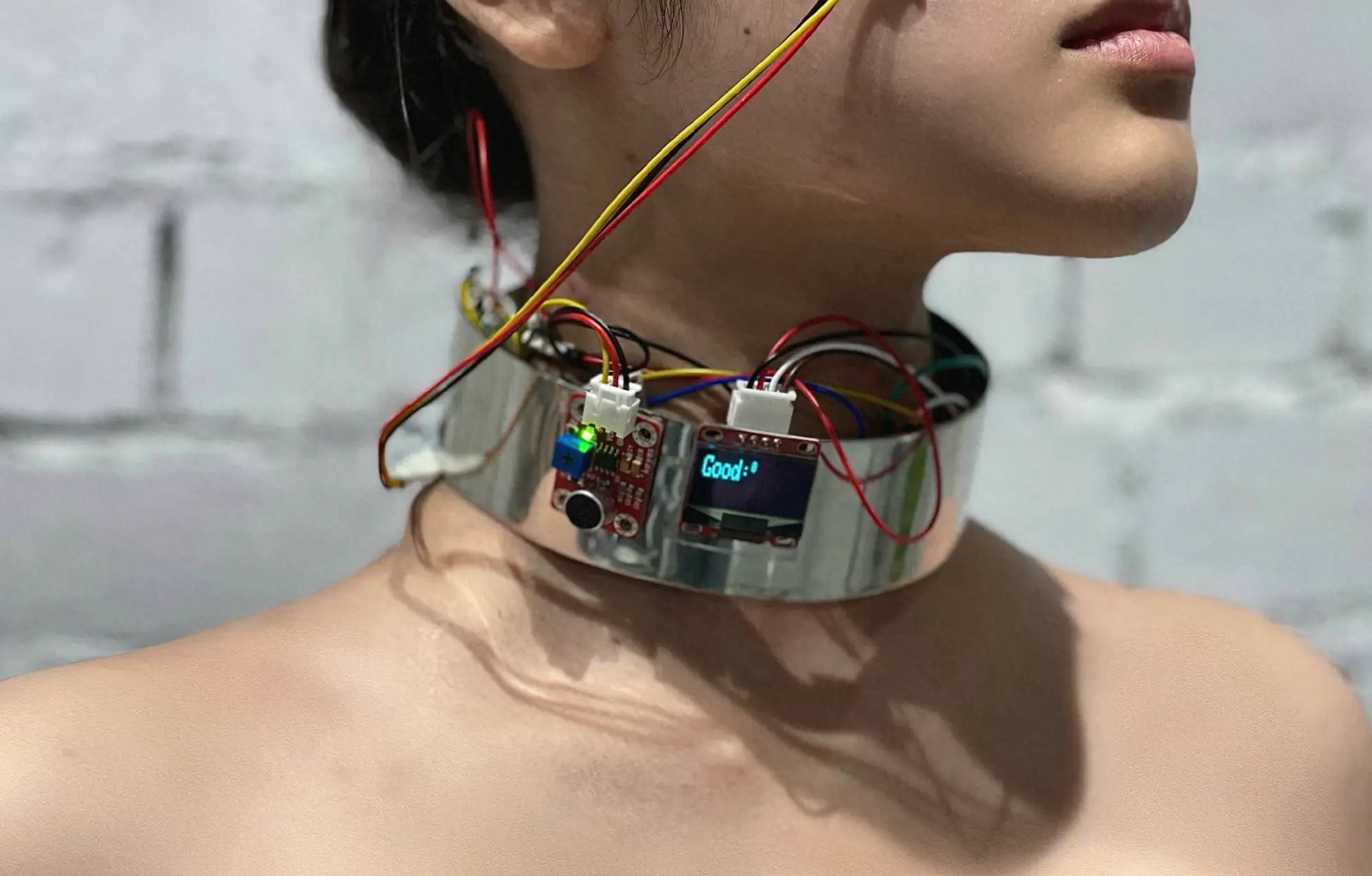
This study explores the integration of emotional resonance and interactive experience in design and proposes a systematic framework that combines affective computing, multisensory design and ethical considerations. Grounded in emotional design (Norman 2004) and affective computing (Picard 1997), this framework is validated through case studies in smart home systems, emotional support interfaces and interactive pet care. The findings indicate that emotion-aware design significantly improves user engagement (32% increase in smart plant care interactions) and fosters ethical reflection (41% decrease in support for cosmetic pet surgeries). Despite the potential of emotion-aware design, challenges remain in terms of privacy concerns, cultural adaptation and technological feasibility. This research contributes to empathetic design by offering a structured approach to emotion-driven user interactions, with implications for future developments in AI-driven emotional modulation and cross-cultural applications.
References
Ashton, Kevin. 2009. “That ‘Internet of Things’ Thing.” RFID Journal 22 (7): 97–114.
Calvo, Rafael A., and Sidney D’Mello. 2010. “Affect Detection: An Interdisciplinary Review of Models and Methods.” IEEE Transactions on Affective Computing 1 (1): 18–37. https://doi.org/10.1109/T-AFFC.2010.1 DOI: https://doi.org/10.1109/T-AFFC.2010.1
Walter, Aarron. 2011. Designing for Emotion. Brooklyn, NY: A Book Apart.
Design Council. 2007. “Eleven Lessons: Managing Design in Eleven Global Brands.”
Desmet, Pieter M. A. 2002. Designing Emotions. PhD diss., Delft University of Technology.
Diefenbach, S., and A. Rusu. 2014. “Anthropomorphism in HCI: A Review of Current Trends and Future Perspectives.” International Journal of Human-Computer Studies 72 (9): 771–80.
Hassenzahl, M. 2010. “Experience Design: Technology for All the Right Reasons.” Synthesis Lectures on Human-Centered Informatics 3 (1): 1–95. DOI: https://doi.org/10.1007/978-3-031-02191-6_5
Isbister, K. 2016. How Games Move Us: Emotion by Design. MIT Press. DOI: https://doi.org/10.7551/mitpress/9267.001.0001
Norman, D. A. 2004. Emotional Design: Why We Love (or Hate) Everyday Things. Basic Books.
Picard, R. W. 1997. Affective Computing. MIT Press. DOI: https://doi.org/10.7551/mitpress/1140.001.0001
Shin, D. 2018. “Empathy and Embodied Experience in Virtual Environments.” Computers in Human Behavior 85: 136–47.


