Evolving Methodologies in Contemporary Printmaking Practice

How to Cite
Keywords:
digital print matrix, hybrid printmaking, computational design, augmentation, computational/robotic-assisted drawingAbstract
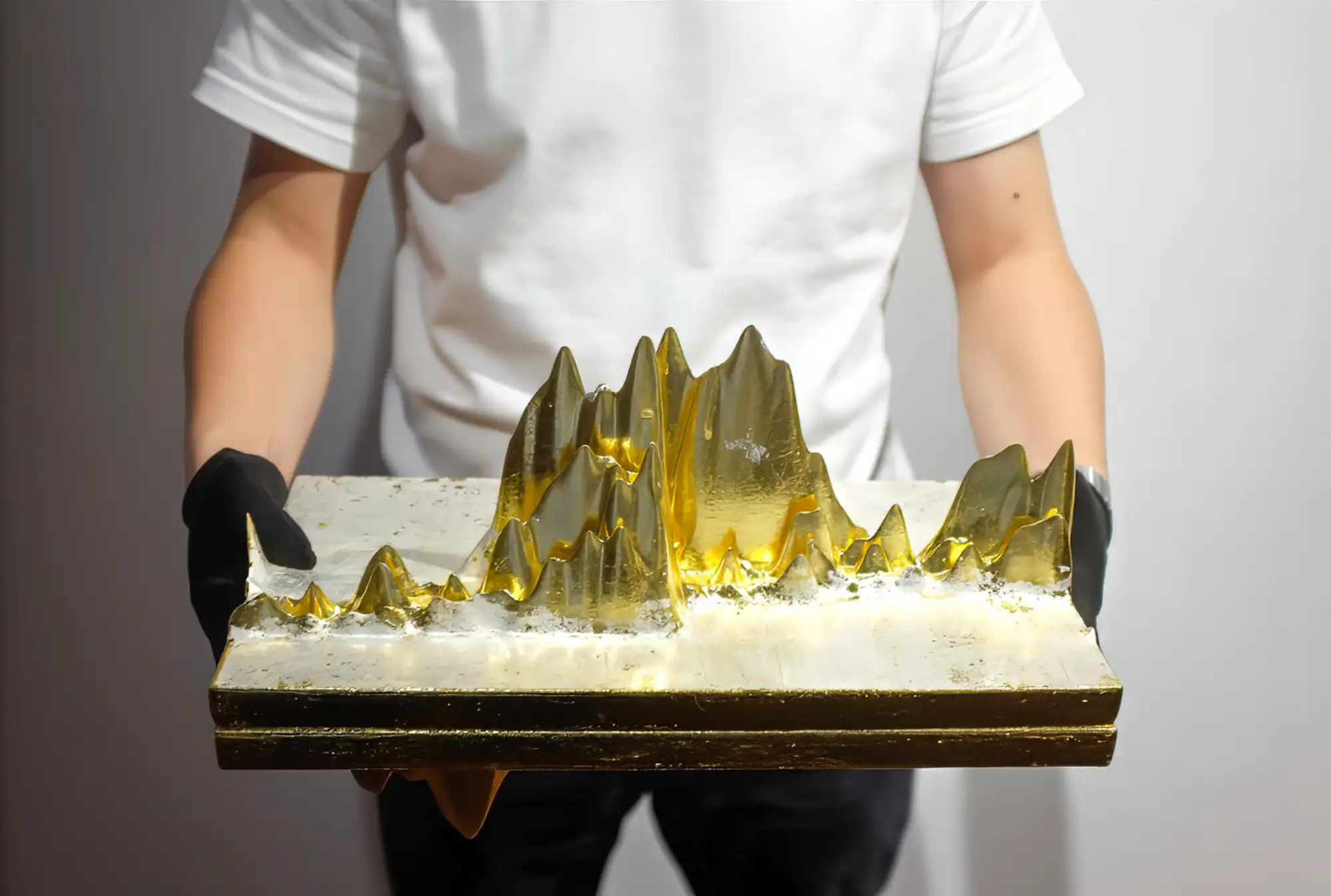
The integration of digital print matrix technologies with traditional printmaking practices presents both opportunities and challenges in contemporary art production. This paper explores the potential and limitations of digital print matrix technology, demonstrating its ability to enable artists to create intricate designs, iterate quickly and blend digital and analogue approaches. Artists can generate innovative forms, patterns and textures by integrating computational design and algorithmic approaches. While these technologies offer new creative possibilities, they also raise important questions about the nature of craftsmanship and artistic authenticity. Using laser cutters or XY pen-plotters adds a distinctive aesthetic dimension, and incorporating the PRINT command in programming bridges digital creations with the materiality of printmaking. The digital print matrix fosters a culture of experimentation, collaboration and conceptual innovation, ultimately reshaping the landscape of creative expression. This evolution in printmaking pushes the boundaries of the medium and encourages artists to reconsider the essence of digital imagery and its connection to the physical realm.
References
Boden, M. A., and E. A. Edmonds. 2009. “What Is Generative Art?” Digital Creativity 20 (1–2): 21–46. https://doi.org/10.1080/14626260902867915. DOI: https://doi.org/10.1080/14626260902867915
Horton, C. N. 2012. “Manfred Mohr Plays the Machine, Turning Algorithms into Visual Music.” VICE. December 4, 2012. https://www.vice.com/en/article/manfred-mohr-plays-the-machine-turning-algorithms-into-visual-music/
Klein, T. 2018. “Augmented Fauna and Glass Mutations: A Dialogue between Material and Technique in Glassblowing and 3D Printing.” Leonardo 51 (4): 336–42. https://doi.org/10.1162/leon_a_01640 DOI: https://doi.org/10.1162/leon_a_01640
Li, X. 2024. “(Re)forming the Imprint: Using Digital Imaging Processes to Gain A New Perspective on Printmaking.” PhD diss., Hong Kong Baptist University.
Mohr, M. 1975. “Cubic Limit.” In Artist and Computer, edited by R. Leavitt. Harmony Books.
Montfort, N., P. Baudoin, J. Bell, et al. 2013. 10 PRINT CHR$(205.5+RND(1)); : GOTO 10. MIT Press. DOI: https://doi.org/10.7551/mitpress/9040.001.0001
Nake, F. 2018. “Printing Plates and Pixel Matrix: The Mechanisation of Memory.” In Perspectives on Contemporary Printmaking Critical Writing Since 1986, edited by R Pelzer-Montadas. Manchester University Press.
Taylor, G. D. 2014. When the Machine Made Art: The Troubled History of Computer Art. Bloomsbury Academic.


